
Psychotherapy in English
in Berlin
regain inner stability
through solution-oriented
and trauma-sensitive therapeutic work

My psychotherapeutic approach ist systemic, person-centered and ressource-oriented.
In my therapeutic practice, I have chosen this approach because it is cruicial to me not to observe a person with their individual characteristics, symptoms, and problems in isolation. The environment plays a big role in what kind of people we become. Every person is shaped and influenced by many various interactions —and may in turn influence and change their environment.
Special features of systemic therapy work
A person’s problems or symptoms are understood as a consequence of certain processes, patterns, or disturbances in their environment. An environment is called a system. A system can be, for example, a family, a circle of friends, a work environment, or a team. We belong to many different systems and move from one to another daily. In each of our systems, we assume a slightly different role: We adapt to the various systems, and we develop personality traits that support the respective system. And yet, in these different roles and in different systems, we still are the same person. This is possible because we also have a complex internal system: a vibrant system comprised of various aspects of our personality. We carry within an internal system of different personality traits, and our different personality traits interact with one another.
Systemic therapy is based on the premise that everyone within a certain system influences each other; there is no purely one-sided influence. This perspective allows for a certain degree of freedom of action: it means that by changing themselves, an individual can also change the system.
The goal of the therapy is to make new perspectives and courses of action tangible in order to bring about positive changes in the entire system – be it an external or an internal system – and thus to produce sustainable solutions.
We focus on what changes are possible and how the client can achieve them independently. Lasting change is made possible through repetition and practice. Therefore, in therapy, we continually decide which individual exercises, concrete tasks or “homework” are helpful for trying out in everyday life what has been newly learned in therapy.
The therapy thus continues smoothly into everyday life, and the effects may often be felt relatively quickly; every change begins with a first small step in a new, better direction. The first step is often the most difficult – which makes sense: the biggest difference is between zero and one!
Each person has a treasure chest of their own, filled with important resources. What could your personal resources be?
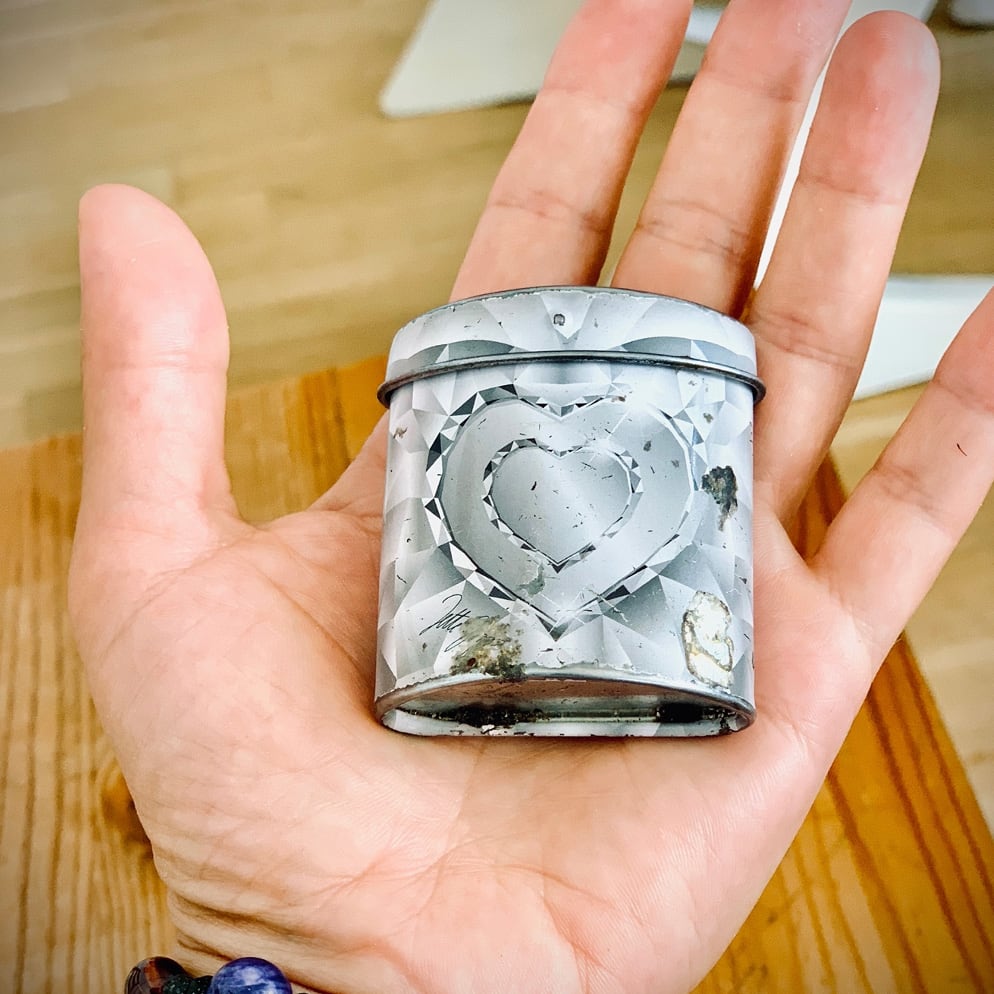
What are resources? A treasure-hunt.
In psychotherapy, resources refer to everything that gives us strength, courage, peace, confidence, and joy. These can be your qualities—for example, curiosity, empathy, humor, athleticism, perseverance, gentleness, spirituality, intelligence. They can be people who you like, who support you, and who are there for you in various ways: your friends, children, parents, partner, colleagues, teachers, the funny baker, the pleasant neighbor, inspiring role models. They can also be places that are important to you: the forest, the bathtub, the balcony, the nice café around the corner, your childhood home, the mountaintop, the beach, your own bed. Or objects: a special teacup, a racing bike, a ring, your old basketball, a pen, a beautiful lamp, a small seashell, a lucky coin, sunglasses, your favorite socks, a wool hat.
Other resources are abstract things or elements like light, silence, scent, warmth, smoothness, texture, colors, vastness, space, water, air, the starry sky, and snow. Or they could be your specific experiences, knowledge, talents, skills and abilities.
What are your most important resources? What brings you joy, what are you particularly good at, what are the things you can always say yes to without reservation? What are the three most important of these for you—the three without which it would be impossible to find life beautiful?
Creating our own treasure chest of resources can help us through difficult times: When we seek to connect with our innermost core, our precious individual voice, our personal inner wisdom, resources can help us find our way more easily. They show us who we truly are and where the wonderful landscapes of our inner kingdom extend.
Knowing your own resources can also be a support when making important decisions: Does the next step bring you closer to what you do best, what you feel most comfortable with, and what you love?
Being able to recognize and name a person’s resources is a trained therapeutic skill closely linked to the idea that each person is their own universe, functioning in a completely individual way. Therefore, each person needs a different kind of support and guidance. This is also known as person-centered approach.
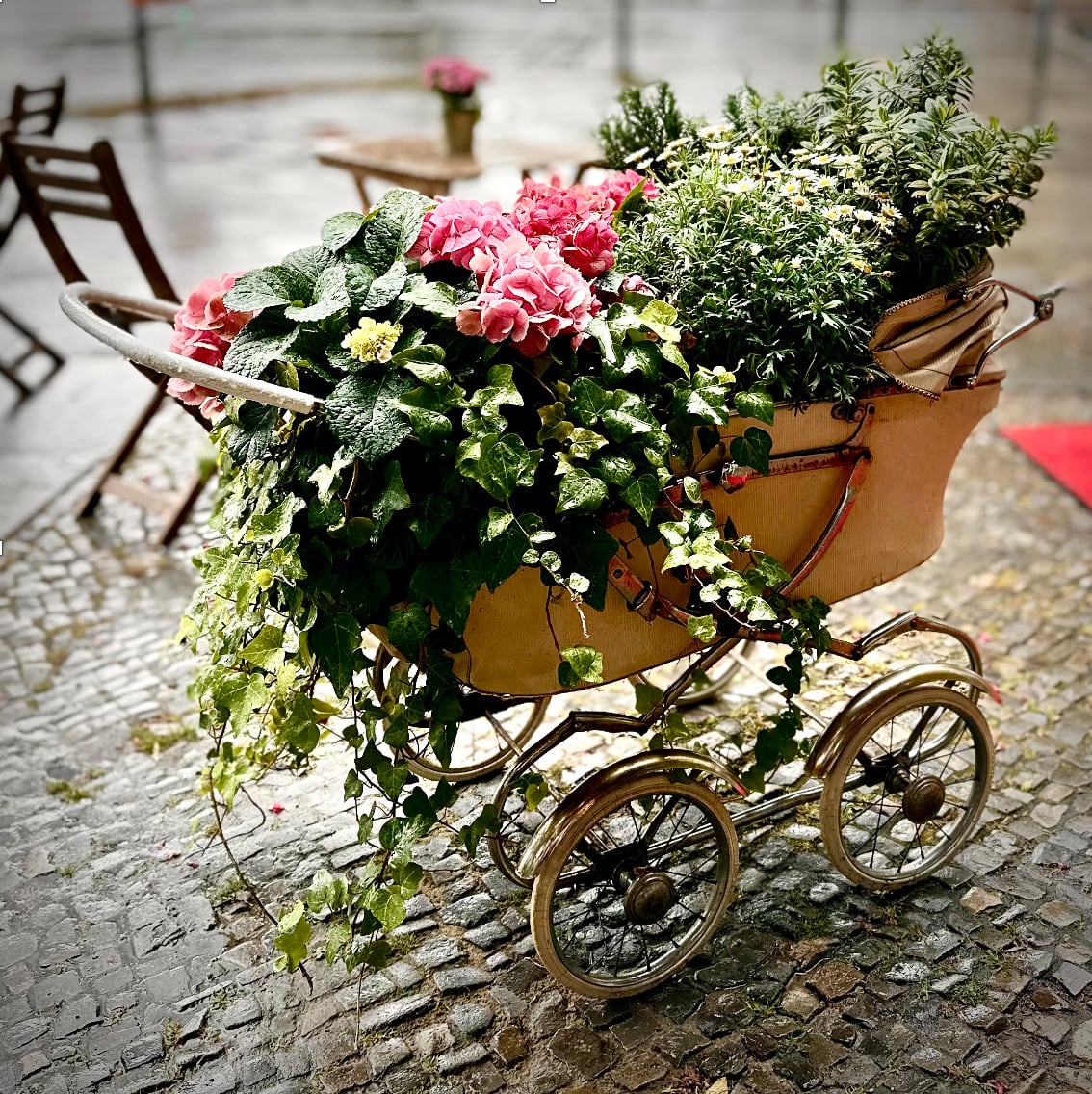
Person-centered approach – the inner garden
Your inner world is like a wonderful garden. Your therapist is like an experienced gardener who can help you explore the hidden corners of your garden and help you nurture what you find there, so that your beautiful garden continues to grow in the healthiest way for you.
The person-centered approach in psychotherapy means that the therapist perceives a person in all their complexity and contradictions. Their inner experience is valued as a unique landscape, like a large garden that has gradually grown as a result of formative experiences, personality traits, the person’s own will, desires, and dreams – and to which the person themselves has the best access.
The therapist is a professional visitor in your inner garden, a temporary companion. She is there to examine the garden with your help and then suggest various therapeutic approaches or techniques, depending on what kind of specific and individual care your garden might need; which areas should be redesigned, for example, or where more light – or more clarity – is needed. And also – what parts should remain untouched, wild, and mysterious.
Following this gentle approach, I can help you bring the tiny plants which you’d like to grow bigger into the light and water them with the right nutrients. And I can help you gently prune back those plants which have spread too much or out of control.
As a therapist, I don’t bring any unfamiliar or foreign plants into your garden, nor do I remove any of your own plants from your garden. I help you with my expertise, experience and the right tools to care for and shape into a lovely way what you already have inside.
True to the person-centered approach in my therapeutic practice, I assume that you know best what your garden needs right now – your opinion is crucial. I offer you my expertise and experience to help you achieve your goals. At the same time, I ensure that your garden remains safe while we work on it, that it remains your personal, individual garden – your unique inner world, with everything that makes you who you are.

Trauma-sensitive approach – let the monsters sleep
Some traumas are like old monsters that have retired and are sleeping peacefully in well-protected, comfortable caves. They are still there, but they haven’t been a threat for a long time. The trauma-sensitive approach in psychotherapy means being aware of the presence of these old, sleeping monsters—and treating the places where they rest with respect.
Traumas are traces and scars left by difficult experiences. Whether an experience is traumatic for a person is not something the person decides for themselves; it is the reaction of the autonomic nervous system to an event. Each person might have a different response – some might perceive the event as traumatic, others not. We cannot consciously influence whether we are traumatized by an experience. Thus, whether an event is traumatic for a person or not is highly individual.
It is safe to assume that every adult carries such scars and traces within them. They are characteristics that also give us our uniqueness and individuality. As long as they don’t prevent us from living in the present as we wish to, as long as they do not burden us in our daily lives or relationships, we don’t need to confront old traumas. Not every scar needs to be examined, and not every trace demands investigation.
The trauma-sensitive approach in therapy means that the therapist and the client are aware of the presence of the sleeping monsters and treat the places where they rest with respect.
It also means paying attention to signs that indicate one of the monsters might have awakened—or perhaps never truly settled down. And knowing how to gently engage such an old monster in a calming conversation without provoking it. Old monsters are usually tired. They want to sleep, they want to find peace. We want to help them become part of the past. Some monsters even carry a hidden treasure —and they can only find peace after we have gratefully accepted the gift of this unexpected treasure.
What we have experienced remains part of our past. We cannot change the past; it is truly gone. We can honor it, or construct a monument in it’s memory, and let it rest in a designated place, a protected memorial site: there it may remain dwelling in it’s uncheangable form.
While our present can become once again free, safe and vast – and full of wonderful new opportunities!
Frequently asked questions
When do I need psychotherapy?
Psychotherapy is beneficial if your inner experiences cause you suffering in your everyday life, at work, or in important relationships—or if you feel restricted in your freedom of action. In these cases, psychotherapy is a sensible step toward greater stability, inner peace, and security.
How long does psychotherapy take?
A single psychotherapy session lasts 60 minutes. The number of individual sessions or appointments depends on your specific issues and goals. For a short-term psychotherapy, you should plan for a period of 3-6 months; for other forms of psychotherapy, at least 9 months. I recommend an interval of one appointment per week, or at least one appointment every two weeks. Depending on your needs, I am happy to support you over a longer period if wished for.
What does psychotherapy cost?
A single Psychotherapy Session costs 90 Euro. As a non-medical practitioner specializing in psychotherapy, I can only bill for this service privately.